The panel discussion provides a comprehensive overview of key issues in purified water treatment, bringing together four central perspectives.
The first topic, “Everyone has biofilm. Do you know where yours grows?”, highlights why modern microbiological monitoring has become indispensable. Traditional methods such as spot-check monitoring are reaching their limits in increasingly complex systems. Microorganisms form biofilms that can even withstand advanced disinfection methods such as ozone treatment. The discussion explores new strategies and technologies that enable early detection and sustainable control of microbiological risks — enhancing safety and transparency in system operation.
The second part, “Quality starts with design,” focuses on how the requirements of Annex 1 and Annex 15 can already be implemented during the planning phase. Key aspects include the early integration of a Contamination Control Strategy (CCS) into system design and the importance of Factory Acceptance Tests (FAT) for ensuring quality and compliance. The discussion also addresses challenges such as tight project timelines and insufficient User Requirement Specifications (URS), as well as proactive approaches to avoid these issues.
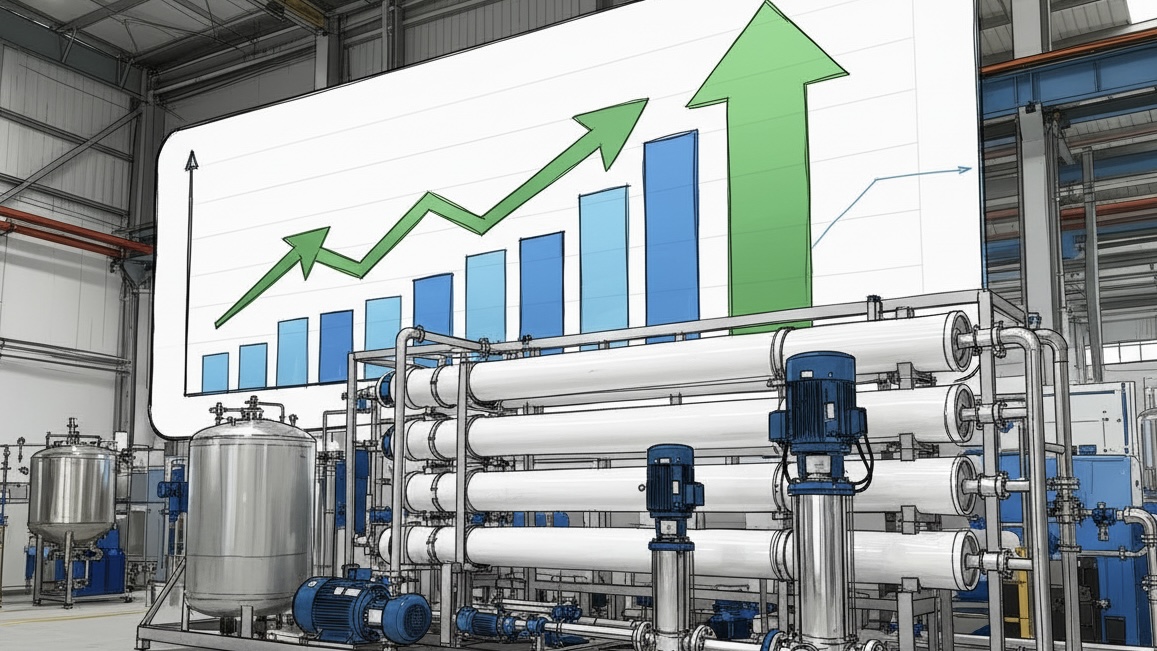
The subsequent session, “Uniform water treatment plant,” examines the opportunities and risks associated with centralized water treatment. The central question is whether standardized systems can provide a sustainable solution to water-related challenges or whether they may create new dependencies and uncertainties. The discussion critically evaluates the balance between technological progress, environmental responsibility, and supply security.
The final topic, “Sustainability in water treatment,” explores the current state of the industry and the steps required to align ecological responsibility with technical and regulatory performance. Based on current developments, aspects such as energy efficiency, material selection, and system design are examined critically. The closing discussion encourages participants to view sustainability not as a future promise, but as an integral component of modern water treatment systems.